Piping &
Fabrication
Piping that follows the isometric — and the site.
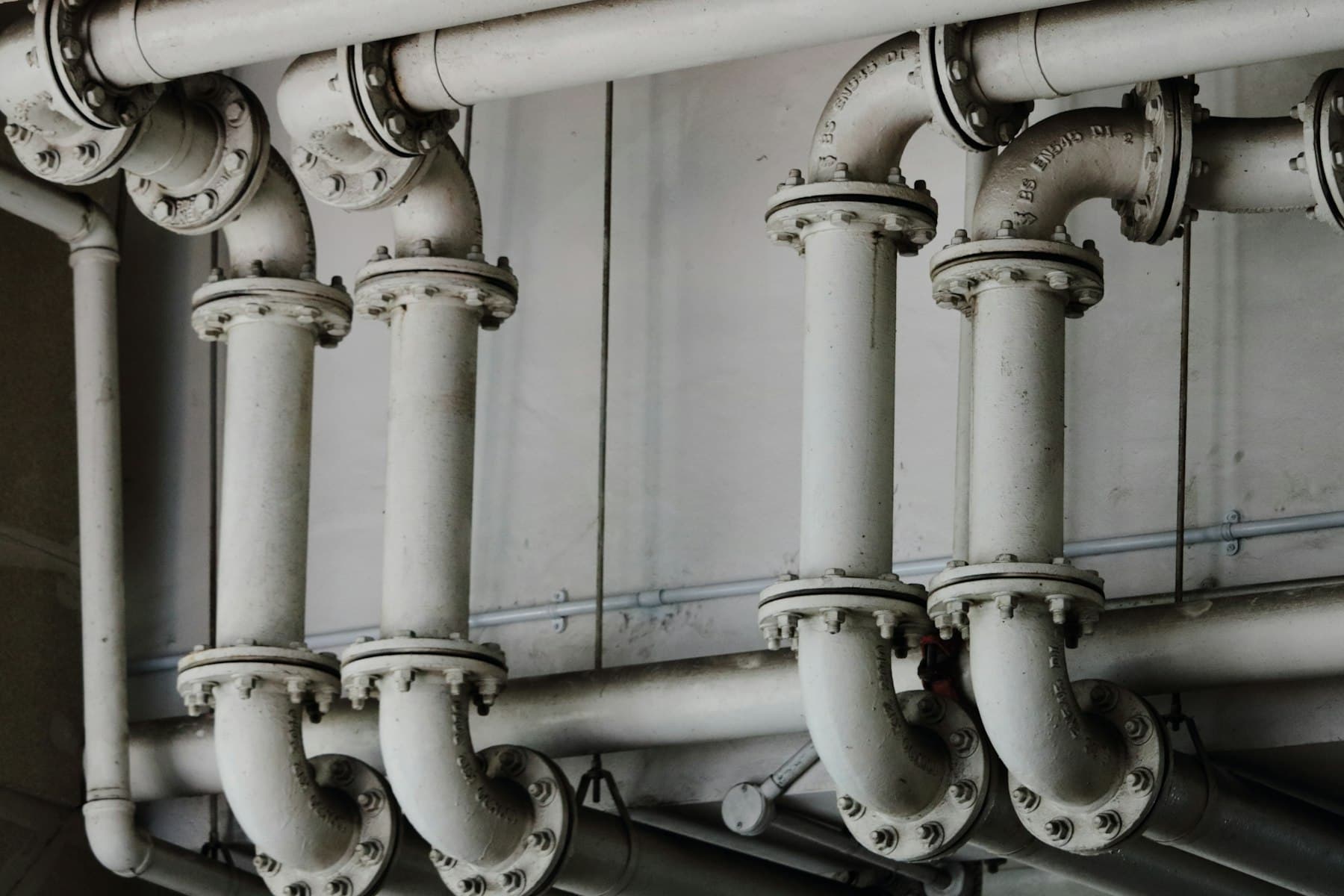
Piping & Fabrication, delivered with method.
Fabrication and installation of process and utility piping: spool fabrication, erection, supports, modifications and tie-ins for plant and facility projects.
Piping connects every system in a facility. Whether it is a new line, a re-route or a replacement of a corroded section, the work has to match the isometric, the specification and the physical reality of the site.
WOL approaches piping as a controlled fabrication and installation process, with material traceability and dimensional checks built into the workflow.
At a glance
Piping that follows the isometric — and the site.
- DisciplinePiping
- Capabilities6 core areas
- SectorsOil & Gas · Refineries · Petrochemical Facilities · Industrial Plants
- CoverageDubai · United Arab Emirates
What the crew brings to site.
Each capability is delivered by supervised crews working to written method statements, with hold points agreed before the work begins.
Spool fabrication
Cutting, fit-up and welding of carbon steel and stainless steel spools to isometric drawings.
Site erection
Installation of fabricated spools, alignment to equipment nozzles and flange make-up.
Pipe supports
Fabrication and installation of standard and special supports, including shoes, guides and anchors.
Modifications & re-routes
Tie-ins, line re-routing and replacement of deteriorated sections.
Utility piping
Air, water, nitrogen and drainage systems for plant and facility use.
Testing support
Preparation and support for hydrostatic and pneumatic testing as directed by the client.
Where this service applies.
Typical scopes WOL is mobilised for, and the sectors where this discipline is most often called on.
Related sectors
How the work is controlled.
Three principles that shape every scope — so the client can see what will happen, when, and how it will be checked.
Drawing review
Isometrics, line lists and specifications are reviewed before material is cut, and clarifications raised early.
Traceability
Material and welds are tracked against spool and joint numbers so that the installed line can be reconciled with records.
Dimensional control
Fit-up and final dimensions are checked against drawings before spools leave the shop and again at site.
Controls that travel with the crew.
Safety and quality arrangements apply to every scope. Specific certifications and third-party approvals are stated only where confirmed by WOL.
Permit-led execution
Every intervention starts inside the client's permit system.
Hot work controls and fire watch in line with client permit systems
Welder and procedure records maintained for each joint
Visual inspection and dimensional checks at defined stages
NDT and testing carried out by client-approved parties as specified
From scope to handover.
The same sequence on every engagement, so clients always know which stage the work is at.
Review
Isometrics, specs and site conditions assessed.
Prepare
Material take-off, spool plan and fabrication sequence.
Fabricate
Cutting, fit-up and welding with stage inspection.
Install
Erection, alignment, supports and flange make-up.
Test
Support for testing and reinstatement.
Document
As-built markups and records handed over.
Common questions about piping.
Straight answers on how this service is scoped, mobilised and handed over.
Which materials do you fabricate?
Carbon steel and stainless steel piping are the most common. Other materials are considered on a project basis against the applicable specification.
Can spools be fabricated off-site?
Yes. Where the project allows, spools are fabricated in a workshop environment and delivered to site for erection.
Who performs NDT on welds?
NDT is performed by inspection parties approved by the client and specified in the project requirements.
Discuss yourscope with WOL.
Discuss your scope with WOL.Share the equipment, drawings or site conditions involved, and we will respond with a considered approach for piping & fabrication.