
Automation System
Integration
Making separate systems behave as one — across vendors, generations and protocols.
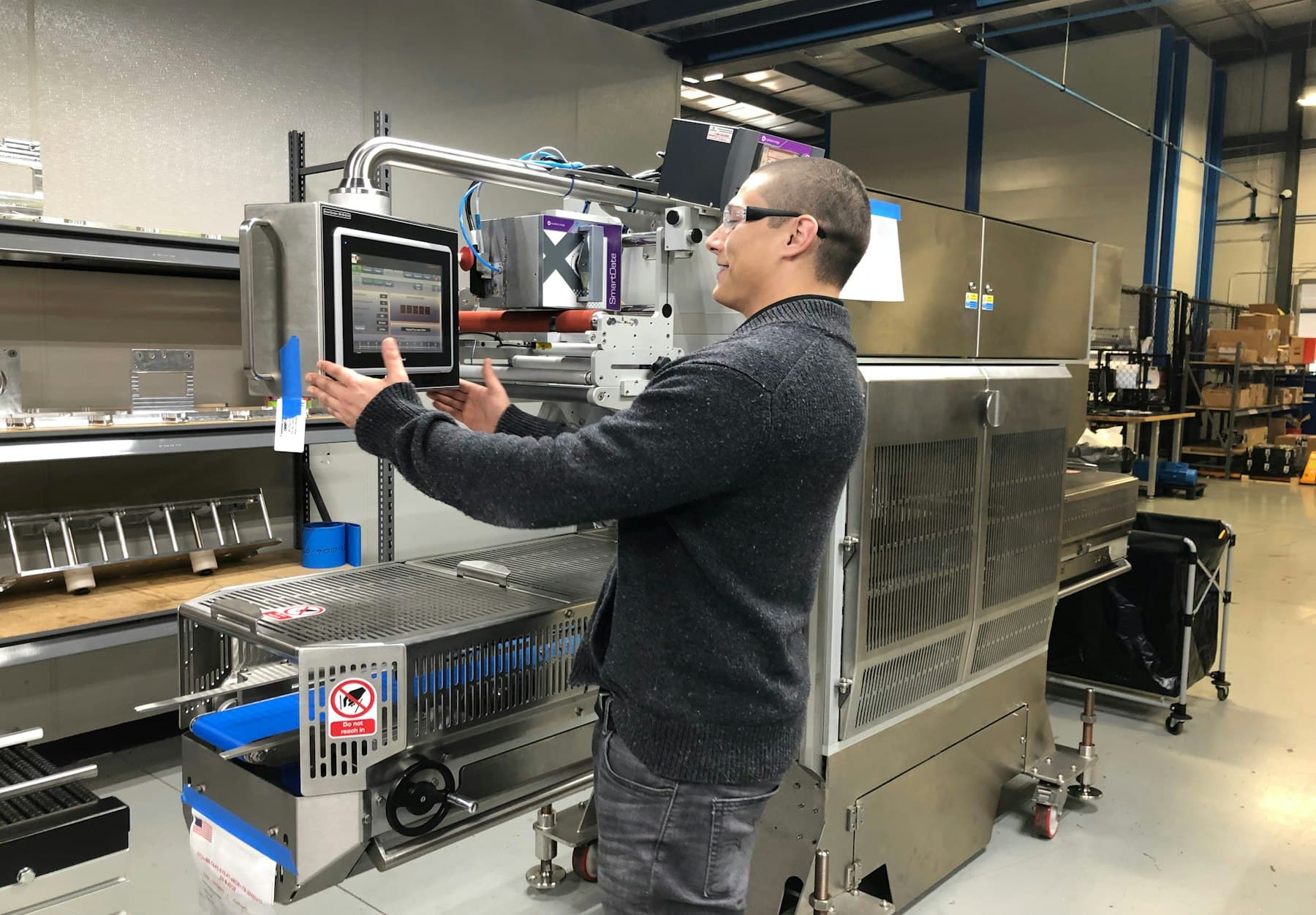
Automation System Integration, delivered with method.
Integration of controllers, machines, SCADA, instrumentation and business systems so that data flows where it is needed and the plant operates as a single coordinated system.
Most plants grow in stages. Each machine or unit arrives with its own controller, its own screen and its own way of communicating. The result is a site where information has to be carried between systems by people, and where a change in one place has unpredictable effects in another.
System integration is the discipline of joining those pieces into one coherent whole: agreeing how systems talk, what data moves between them, who is in control at each interface, and how the result is tested. WOL brings controls, electrical and mechanical expertise to that work, so the integration covers the physical interfaces as well as the data.
At a glance
Making separate systems behave as one — across vendors, generations and protocols.
- DisciplineIntegration
- Capabilities6 core areas
- SectorsOil & Gas · Industrial Plants · Energy Infrastructure · Manufacturing & Industrial
- CoverageDubai · United Arab Emirates
What the crew brings to site.
Each capability is delivered by supervised crews working to written method statements, with hold points agreed before the work begins.
Multi-vendor integration
Connecting controllers, drives and machines from different manufacturers into one control architecture.
Industrial networks
Design and installation of plant networks — Ethernet, fieldbus and serial — with segmentation and diagnostics.
Protocol & gateway engineering
Data exchange across Modbus, PROFINET, EtherNet/IP, OPC UA and other industrial protocols.
OEM machine integration
Bringing packaged machinery into the line control, safety circuit and SCADA of the plant.
Plant-to-business data
Production, quality and energy data passed to MES, ERP or reporting systems.
Integration testing
Interface test plans that prove each connection before and after site installation.
Where this service applies.
Typical scopes WOL is mobilised for, and the sectors where this discipline is most often called on.
Related sectors
How the work is controlled.
Three principles that shape every scope — so the client can see what will happen, when, and how it will be checked.
Define the interfaces
Every connection is written down — what data, which direction, who owns it and what happens on failure — before it is built.
Respect what already works
Integration should add capability without destabilising systems that operate well today.
Prove it end to end
Interfaces are tested from field device to reporting system, not just at the point where the cable is plugged in.
Controls that travel with the crew.
Safety and quality arrangements apply to every scope. Specific certifications and third-party approvals are stated only where confirmed by WOL.
Permit-led execution
Every intervention starts inside the client's permit system.
Interface control documents agreed and signed before implementation
Network changes coordinated with the client's IT and OT representatives
Safety circuits between integrated machines verified as a complete system
Roll-back plan in place for every cut-over on a live plant
From scope to handover.
The same sequence on every engagement, so clients always know which stage the work is at.
Audit
Existing systems, networks and data flows mapped.
Architect
Target architecture and interface definitions agreed.
Develop
Gateways, logic and network configuration built and bench-tested.
Install
Network hardware, cabling and panel modifications on site.
Verify
End-to-end interface testing and performance checks.
Hand over
Architecture documentation, configuration backups and support.
Common questions about integration.
Straight answers on how this service is scoped, mobilised and handed over.
Can you integrate equipment from different manufacturers?
Yes. That is the normal case. Where two systems do not share a protocol, a gateway or a small controller bridges them. The interface is defined and tested regardless of the vendors involved.
Will integration work disrupt production?
Bench testing, staged cut-overs and roll-back plans keep disruption to a minimum. Where a live change is unavoidable, it is scheduled around the plant's own windows.
Do you work with our IT department?
Yes. Network design, security and any connection to business systems are agreed with the client's IT and OT teams from the start.

Discuss yourscope with WOL.
Discuss your scope with WOL.Share the equipment, drawings or site conditions involved, and we will respond with a considered approach for automation system integration.